Dirty Memes
前往频道在 Telegram
😂 The spiciest dirty memes you’ll ever see! From savage humor to cheeky jokes, we’ve got the funniest, unfiltered entertainment for your daily dose of laughter.
显示更多未指定国家加密货币363
2025 年数字统计
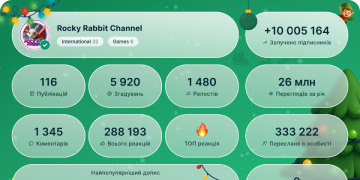
319 596
订阅者
-14424 小时
-1 1657 天
-4 65630 天
帖子存档
照片不可用在 Telegram 中显示
Mastering Crypto Chart Patterns for Better Trades
Recognizing chart patterns in crypto trading can help predict potential price movements. Here are a few key patterns to watch for:
1. Head-and-Shoulders Pattern
This classic reversal pattern hints at a trend change. It features three peaks: a higher middle peak (the head) and two lower peaks (the shoulders). A break below the neckline (a line drawn across the two shoulders' lows) confirms the reversal and signals a potential sell opportunity.
2. Double Tops and Bottoms
These reversal patterns indicate a trend change. A double top forms after an uptrend with two peaks at similar levels, signaling a bearish shift. On the other hand, a double bottom forms after a downtrend with two troughs, suggesting a bullish reversal.
3. Triangle Patterns
Triangles are continuation patterns that suggest the price will keep moving in the current direction. There are three types: ascending (bullish), descending (bearish), and symmetrical (neutral). These patterns provide traders with signals for either an upward or downward trend.
Learn Crypto✅️
👍 2🔥 2
Hey,
I'm looking for 5 people who want to take action and become the best versions of themselves within the next 90 days.
If this is you, then...
Join Now
照片不可用在 Telegram 中显示
Crypto Speak: Post-Quantum Cryptography (PQC)
As quantum computing evolves, it poses a real threat to the cryptographic codes that secure our digital assets. Enter Post-Quantum Cryptography (PQC)—the quantum-proof shield designed to safeguard your crypto wealth from future attacks.
Think of PQC as the next-generation vault for:
—Secure transactions: Ensuring no unauthorized access or theft
—Long-term stability: Keeping cryptocurrencies reliable and resilient
—Smart contracts and DeFi: Protecting decentralized applications
—Regulatory compliance: Meeting future government requirements
—Investment strategies: Evaluating crypto projects' readiness for PQC integration
However, transitioning to PQC isn't without challenges. It's complex and costly, and may introduce performance trade-offs like slower transaction times. Moreover, ongoing research and development are needed to ensure effective algorithms and best practices.
Adopting PQC is key to securing the future of digital assets in a quantum world. Stay informed at Learn Crypto✅️
👍 3
照片不可用在 Telegram 中显示
Psychology of Loss Aversion in Crypto Trading
Loss aversion is a psychological bias that makes the fear of losing more powerful than the excitement of gaining. This fear can cloud judgment and lead to poor trading choices, such as holding onto losing positions or making impulsive, risky moves.
For example, imagine Tom buys a cryptocurrency at $100. When the price drops to $80, instead of cutting his losses, he holds on, hoping it will rebound. Meanwhile, he's missing out on better opportunities. This emotional response is classic loss aversion in action.
To combat loss aversion, traders can implement strategies like setting stop-losses, diversifying their portfolios, and taking time to evaluate the market objectively. Awareness of this bias can lead to more rational, informed decision-making.
Learn Crypto✅️
👍 3
照片不可用在 Telegram 中显示
Protect Your Crypto: Wallet Security Reminder
Your cryptocurrency wallet is like a vault for your digital assets. Just as you'd protect a physical safe, securing your wallet is vital to avoid theft and loss. With crypto transactions being irreversible, even a small lapse in security can lead to devastating consequences.
Imagine if a hacker accessed your wallet—your funds could vanish instantly. But with the right precautions, you can safeguard your assets:
- Store long-term holdings in cold storage, like keeping valuables in a secure vault.
- Use two-factor authentication (2FA) to add a layer of defense against unauthorized access.
- Keep your wallet software and firmware up to date with the latest security enhancements.
- Avoid using public Wi-Fi for transactions to minimize phishing risks.
- Stay informed about common scams to outsmart hackers.
By following these security measures, you can keep your crypto assets safe. Learn more Learn Crypto✅️
👍 1
照片不可用在 Telegram 中显示
Why Crypto Roadmaps Matter?
A crypto roadmap is more than just a timeline,it’s a strategic blueprint that highlights a project's key goals, upcoming milestones, and future developments. By offering a clear vision, roadmaps provide transparency and build investor confidence, directly influencing market sentiment.
Think of it as a GPS for crypto enthusiasts, guiding them through a project's growth and potential. It allows investors to assess credibility and make smarter decisions about resource allocation, while traders can use roadmap milestones to anticipate market movements.
For instance, when a project achieves a major milestone, such as launching a new feature, it can boost investor interest and drive up prices. Conversely, missed deadlines or vague plans can stir uncertainty, leading to market volatility.
A crypto roadmap isn’t just important it’s utmost essential. It offers the clarity and transparency needed to make informed decisions and stay ahead in the fast-evolving crypto space.
👉Discover how crypto roadmaps can impact your investments at Learn Crypto✅️
照片不可用在 Telegram 中显示
Role of Security Audits
In the crypto world, security audits act as guardians, protecting users and investors by thoroughly examining blockchain projects, smart contracts, and decentralized applications (dApps) for potential vulnerabilities. A project that skips this step could face devastating hacks, leading to substantial financial losses risks that security audits aim to prevent.
Security audits are critical for:
- Trust and Credibility: They instill confidence among users and investors.
- Risk Mitigation: Audits reduce the likelihood of hacks and exploits.
- Regulatory Compliance: They help projects adhere to industry standards.
- Market Reputation: A completed audit boosts credibility, drawing users and partners.
The audit process covers:
- Code Reviews to identify any potential weaknesses
- Smart Contract Verification to block potential exploits
- Vulnerability Assessments for known threats
- Component Testing to ensure all parts work together
- Compliance Checks to meet regulatory guidelines
- Documentation Review for clarity and accuracy
Security audits aren't just about security; they're essential for building trust, reducing risks, and ensuring a project’s integrity. Learn more about the importance of security in crypto Here.
Learn Crypto✅️
👍 2
照片不可用在 Telegram 中显示
Crypto Market Cycle
The crypto market cycle is a recurring pattern that can shape trading success. Recognizing its phases—Accumulation, Markup, Distribution, Markdown, and Reaccumulation helps investors make strategic decisions and boost potential profits.
Picture it like a rollercoaster. In the Accumulation phase, savvy investors buy in at low prices, setting up for a potential rally. Next comes the Markup phase, where prices climb and media hype intensifies, drawing in more buyers.
As early investors take profits, the Distribution phase begins, often followed by the Markdown phase, where prices dip, and fear enters the market. Finally, in the Reaccumulation phase, long-term players start buying again, forming a new price floor.
Market sentiment, regulatory shifts, tech developments, and even manipulation can drive these cycles. By spotting these phases and applying technical analysis, traders can time entries and exits more effectively, navigating the market’s ups and downs.
For example, a trader buying Bitcoin at $30,000 in the Accumulation phase might sell at $50,000 in the Markup phase, locking in gains. Understanding the crypto cycle helps traders minimize risks and seize opportunities in a volatile landscape.
🟢Get more insights and strategies to master the crypto market on our website.
👍 4❤ 1
照片不可用在 Telegram 中显示
How Crypto Hedge Funds Work
For those new to the digital asset market, crypto hedge funds offer a way to invest in a variety of assets without the steep learning curve. These funds pool capital from accredited investors and use complex strategies to drive high returns, managing risk and maximizing potential profits.
Think of crypto hedge funds as skilled captains steering through turbulent waters. They employ strategies like long/short equity, arbitrage, and quantitative trading, along with essential risk management tools like diversification and stop-loss orders.
For instance, a crypto hedge fund might blend investments in stable assets like Bitcoin and Ethereum with newer, high-growth tokens. This diversified approach helps reduce risk while enhancing potential returns.
Understanding how crypto hedge funds operate can be invaluable for investors eager to navigate the digital asset market. With insights into liquidity, volatility, and tokenomics, investors can make better-informed decisions.
👍 1
照片不可用在 Telegram 中显示
Buy and Sell Walls: The Market’s Secret Barriers
In trading spotting buy and sell walls can be a game-changer. These order book barriers reveal demand and supply pressures that can drive price action, giving traders insight into potential market moves.
A buy wall is like a safety net, showing strong demand at a specific price. If a trader sees a large buy wall at $50, they might feel confident that this level has solid support. Conversely, a sell wall acts as a ceiling, signaling resistance due to high selling interest.
Seeing these walls in the order book helps traders strategize. They may place trades just below a buy wall to ride an uptrend or slightly above a sell wall to anticipate a price dip. Recognizing these walls is crucial for traders, as it guides them in navigating market sentiment and adjusting their positions accordingly.
Buy and sell walls aren’t just numbers they’re clues to market sentiment, helping traders stay a step ahead in the fast-paced crypto market.
Learn Crypto✅️
👍 1
照片不可用在 Telegram 中显示
Aave: Revolutionizing Lending in DeFi
Aave is transforming the DeFi landscape, offering a seamless, decentralized way to lend and borrow without traditional intermediaries. This protocol puts financial control directly in users' hands, opening up exciting opportunities for asset growth and wealth creation.
Picture this: you’re a crypto investor looking to diversify without selling your assets. Aave lets you deposit your crypto, earn interest, and borrow against it all while retaining ownership. This approach is invaluable for yield farming, arbitrage, and effective portfolio management.
With features like liquidity pools, variable and stable interest rates, flash loans, and robust collateralization, Aave offers a secure, transparent experience. Its decentralized governance model and multi-chain support only add to its appeal.
Understanding Aave's protocol can help users leverage DeFi to meet their financial goals. With its unique features and user-focused approach, Aave is paving the way for a new era in digital lending.
Learn Crypto✅️
👍 1
照片不可用在 Telegram 中显示
On-Chain Signatures: Verifying Trust on the Blockchain
An on-chain signature is a cryptographic mark recorded directly on a blockchain, authenticating transactions, messages, or identities while keeping user information private.
Here’s how it works: when a user acts on the blockchain, like sending crypto or signing a contract, their private key generates a unique signature. This signature then gets recorded on the blockchain, proving that the action was authorized by the legitimate owner of the key no need for intermediaries.
Key features of on-chain signatures:
■ Transparency: Visible on the blockchain, making transactions and messages easily verifiable.
■ Security: Linked to the user's private key, ensuring only the rightful owner can authorize actions.
■ Immutability: Once recorded, the signature is tamper-proof, preserving the integrity of each action.
On-chain signatures are the backbone of blockchain’s trustless nature, enabling secure, verifiable interactions in a decentralized world.
Learn Crypto✅️
👍 4
照片不可用在 Telegram 中显示
Crypto speak: ICO Ratings
In the fast-paced world of cryptocurrency, ICO ratings play a critical role for investors and traders by offering independent evaluations of new projects. Think of an ICO rating like a movie review just as reviews help decide if a film’s worth watching, ICO ratings help you gauge if a project is worth your investment.
These ratings examine factors like the project’s whitepaper, team expertise, technology, market potential, tokenomics, and community engagement. A solid rating, say 8/10, can point to a project with a strong team, innovative tech, and growth potential—giving investors more confidence in their decisions.
For example, if you’re looking into a new crypto project aiming to transform supply chain management, a high ICO rating can indicate a promising opportunity. Though not a guarantee of success, a positive rating helps you make informed choices and manage risk in the ever-evolving crypto landscape.
For more crypto trading strategies and tips, check out our Crypto Glossary Learn Crypto✅️
👍 1
照片不可用在 Telegram 中显示
💰 Lock Down Your Crypto: Master Key Management
Your cryptocurrency wallet is like a digital vault, guarding your valuable assets. To keep it secure, robust key management is essential it’s your first line of defense against hacks, theft, and loss.
🔑 Key management: involves the secure handling of cryptographic keys, which are vital for transactions, authentication, and encryption. Here’s what it covers:
- Public and Private Keys: Your private key unlocks your assets; keep it secure!
- Hot and Cold Wallets: Balancing convenience and security.
- Key Generation & Backup: Create and securely store recovery phrases.
- Multi-Signature Security: Add an extra layer of protection with shared access.
- Access Controls & Systems: Manage who can access your keys.
- Best Practices & Compliance: Follow security standards to safeguard your crypto.
Say a trader using a hardware wallet for private key storage, enabling two-factor authentication, and keeping a secure backup of their recovery phrase. These practices reduce exposure to theft and ensure peace of mind.
By prioritizing secure key management, you’re not just protecting your investments you’re fortifying your entire crypto journey. 🟢Master the art of key management and trade with confidence at Learn Crypto✅️
👍 1
照片不可用在 Telegram 中显示
💰 Why Locking Liquidity Matters in Crypto Projects
🟠 In crypto, liquidity is a pool of funds allowing investors to buy or sell tokens without delay, typically created by pairing a new token with a stable asset like ETH or BNB on DEXs such as Uniswap or PancakeSwap.
🟠 Locking Liquidity is Crucial as it helps prevent "rugpulls," where developers might withdraw liquidity after investors have bought in, leaving them with worthless tokens. By locking the liquidity pool (LP) tokens via a time-lock smart contract, developers temporarily renounce control, boosting investor trust and signaling legitimacy.
🔑 Points to Consider When Locking Liquidity:
1. Lock Duration: Minimum one year is recommended; longer locks (3-5 years) strengthen investor confidence.
2. Amount to Lock: Locking at least 80% of liquidity is best to avoid red flags.
3. Trading Impact: Locking liquidity doesn’t hinder token trading but ensures fund security.
4. Third-Party Lockers: Using trusted lockers like Mudra Locker on BSC adds an extra layer of security, popular with over 250 projects.
Learn how locking liquidity protects investors and promotes trust Learn Crypto✅️
照片不可用在 Telegram 中显示
Decode Crypto Wallet Addresses for Stress-Free Transactions
Crypto transactions are all about precision one wrong character in a wallet address can result in lost funds. To safeguard your assets, it’s crucial to understand wallet address formats and how they work.
Think Wallet Addresses as email addresses but for blockchain transactions. Each cryptocurrency has its unique format:
- Bitcoin: Legacy (starts with "1"), SegWit (starts with "3"), or Native SegWit (starts with "bc1").
- Ethereum: Hexadecimal addresses that always begin with "0x" and are 42 characters long.
It does matters as sending Bitcoin to one using the correct format ensures the transaction reaches the right recipient. Address formats also include checksums to minimize errors, making it easier to catch typos before sending funds.
Key Tips for Secure Transactions:
1. Double-Check: Always verify the address before confirming a transaction.
2. Understand Related Terms: Know your public/private keys, wallets (hot and cold), and transaction IDs.
3. Stay Alert for Fees: Be aware of gas fees and ensure they’re adequate to avoid delays.
By mastering wallet address formats and related terms, you can navigate crypto transactions with confidence. Always double-check before hitting send it’s your safety net in the fast-moving world of cryptocurrency!
🔵Dive deeper into crypto basics at
Learn Crypto✅️
👍 2
照片不可用在 Telegram 中显示
Decode Crypto Wallet Addresses for Stress-Free Transactions
Crypto transactions are all about precision one wrong character in a wallet address can result in lost funds. To safeguard your assets, it’s crucial to understand wallet address formats and how they work.
Think Wallet Addresses as email addresses but for blockchain transactions. Each cryptocurrency has its unique format:
- Bitcoin: Legacy (starts with "1"), SegWit (starts with "3"), or Native SegWit (starts with "bc1").
- Ethereum: Hexadecimal addresses that always begin with "0x" and are 42 characters long.
It does matters as sending Bitcoin to one using the correct format ensures the transaction reaches the right recipient. Address formats also include checksums to minimize errors, making it easier to catch typos before sending funds.
Key Tips for Secure Transactions:
1. Double-Check: Always verify the address before confirming a transaction.
2. Understand Related Terms: Know your public/private keys, wallets (hot and cold), and transaction IDs.
3. Stay Alert for Fees: Be aware of gas fees and ensure they’re adequate to avoid delays.
By mastering wallet address formats and related terms, you can navigate crypto transactions with confidence. Always double-check before hitting send it’s your safety net in the fast-moving world of cryptocurrency!
Learn Crypto✅️
👍 4⚡ 1❤ 1
照片不可用在 Telegram 中显示
Decode Crypto Wallet Addresses for Stress-Free Transactions
Crypto transactions are all about precision one wrong character in a wallet address can result in lost funds. To safeguard your assets, it’s crucial to understand wallet address formats and how they work.
Think Wallet Addresses as email addresses but for blockchain transactions. Each cryptocurrency has its unique format:
- Bitcoin: Legacy (starts with "1"), SegWit (starts with "3"), or Native SegWit (starts with "bc1").
- Ethereum: Hexadecimal addresses that always begin with "0x" and are 42 characters long.
It does matters as sending Bitcoin to one using the correct format ensures the transaction reaches the right recipient. Address formats also include checksums to minimize errors, making it easier to catch typos before sending funds.
Key Tips for Secure Transactions:
1. Double-Check: Always verify the address before confirming a transaction.
2. Understand Related Terms: Know your public/private keys, wallets (hot and cold), and transaction IDs.
3. Stay Alert for Fees: Be aware of gas fees and ensure they’re adequate to avoid delays.
By mastering wallet address formats and related terms, you can navigate crypto transactions with confidence. Always double-check before hitting send it’s your safety net in the fast-moving world of cryptocurrency!
Learn Crypto✅️
👍 7
照片不可用在 Telegram 中显示
Demystifying Bitcoin’s UTXO Model
Think of Bitcoin transactions like using gift cards. Imagine you have a $100 gift card for a store, and you buy items worth $60. You don't just spend the $60 and leave the remaining balance. Instead, the store gives you a new $40 gift card for the remaining balance.
This is similar to Bitcoin’s UTXO (Unspent Transaction Output) model. When you receive Bitcoin, it’s stored in your wallet as UTXOs. When you spend Bitcoin, the network uses your UTXOs as input to create the transaction. If the transaction amount is less than the UTXO, the remaining balance is returned to you as "change" in the form of a new UTXO. A small network fee is also deducted from the total.
For example, if you have a UTXO worth 0.5 BTC and want to send 0.3 BTC to someone, the network will use the 0.5 BTC, send 0.3 BTC to the recipient, and return 0.2 BTC as a new UTXO to your wallet, minus the transaction fee.
This does matter as the way you manage your UTXOs can affect transaction fees and processing speed. Too many small UTXOs can lead to higher transaction costs, as the network has to process more inputs. Consolidating smaller UTXOs into larger ones during times of low fees can make your future transactions more efficient.
Understanding Bitcoin’s UTXO model not only helps you optimize your transactions but also gives you a clearer picture of how Bitcoin operates under the hood.
Learn Crypto✅️
👍 3