Learn English with us
Kanalga Telegram’da o‘tish
We aim to improve all of your English skills Join our group to discuss about grammar rules 👉 @ingliztiliuzzofficial
Ko'proq ko'rsatish2025 yil raqamlarda
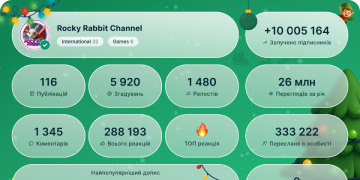
14 022
Obunachilar
-524 soatlar
-107 kunlar
-2630 kunlar
Postlar arxiv
📚 ENGLISH: TELLING THE TIME A1 LEVEL 📚
Learn to tell the time in English!
📝 What is time?
Time tells us when things happen.
――――
🔍 Hours and Minutes
A clock has hours and minutes.
The short hand tells the hour.
The long hand tells the minute.
――――
💡 O'Clock
When the minute hand is on 12, it is o'clock.
It is 1 o'clock. 🕐
It is 3 o'clock. 🕒
It is 6 o'clock. 🕕
――――
✅ PRACTICE
The time is 2 o'clock.
The time is ____ o'clock. (Fill in the blank with 4)
What time is it? Choose the right answer.
(a) 5 o'clock (b) 7 o'clock 🕖 (c) 9 o'clock
💪 Practice: What time is it? ⏰
👇 Write your answer in the comments!
Follow us:
Telegram | Instagram | YouTube📚 ENGLISH: SHOPPING PHRASES FOR BEGINNERS 📚
Learn easy words for shopping today!
📝 Hello! (Hi!)
🔍 How much? (What is the price?)
Example: How much is this apple?
――――
💡 I want... (I would like…)
Example: I want this book.
Example: I want a red shirt.
――――
I WANT + THING
――――
✅ Yes (Okay)
❌ No (Not okay)
――――
🎁 PRACTICE TIME! 🎁
* I want ___ juice. (an/a)
* How much is ___? (it/he)
🗣️ Dialogue:
Person A: Hello!
Person B: I want an apple.
Person A: Okay. How much?
💪 Practice: I want ___ (your answer!)
👇 Write your answer in the comments!
Follow us:
Telegram | Instagram | YouTube📚 ENGLISH: SIMPLE TELEPHONE CONVERSATIONS 📚
Learn how to talk on the phone in English!
📝 Hello is a greeting.
*Hello means "Hi".*
――――
🔍 Answering the phone:
1. Say "Hello".
2. Say your name (if you want).
Hello, this is Anna.
――――
💡 Asking for someone:
*Can I speak to Tom, please?*
Speak means "talk".
Please is polite.
Examples:
*Hello, Tom, please.
*Can I speak with Anna?
*Tom, please.
――――
📞 Simple Conversations
A: Hello?
B: Tom, please.
A: Yes, speaking.
💪 Practice:
Hello, ____, please.
👇 Write your answer in the comments!
Follow us:
Telegram | Instagram | YouTube
📚 ENGLISH: ORDERING FOOD AND DRINKS 📚
Learn how to order food and drinks simply.
📝 TEACHING
• We can use "I want... " to order.
• Want means you like something.
• I want juice.
――――
• You can also say "I'd like..."
• I'd like is short for "I would like."
• It's polite!
• I'd like tea.
――――
• Ask for something with "Can I have...?"
• Can I have water?
――――
💡 Examples:
* I want bread. 🍞
* I'd like milk. 🥛
* Can I have soup? 🥣
🔍 Rules:
1. Say "I want" or "I'd like" or "Can I have".
2. Then, say the food or drink.
💪 PRACTICAL LESSON
• I'd like coffee. ☕️
• Can I have rice? 🍚
Fill in the blank:
I want ________. (Pizza)
💪 Practice: I'd like _____.
👇 Write your answer in the comments!
Follow us:
Telegram | Instagram | YouTube
👍 1❤ 1
📚 ENGLISH: ASKING FOR DIRECTIONS SIMPLY 📚
Learn how to ask where places are.
📝 What to say:
* Excuse me. (Hello)
* Where is the park? (Ask about a place)
* Thank you. (Be polite)
――――
🔍 Simple Questions:
* Excuse me. Where is the bank? (Bank = place for money)
* Excuse me. Where is the shop? (Shop = place to buy things)
* Excuse me. Where is the bus stop? (Bus stop = place for bus)
――――
💡 How to ask:
1. Say "Excuse me."
2. Say "Where is the [place]?"
3. Say "Thank you."
――――
▶️ Practical Lesson:
* Excuse me. Where is the school? (School = place to learn)
* Fill in the blank: Excuse me. Where is the ______? (Use: hospital)
――――
💬 Example:
You: Excuse me. Where is the cafe?
Person: It is over there.
You: Thank you!
💪 Practice: Ask where the library is.
👇 Write your answer in the comments!
Follow us:
Telegram | Instagram | YouTube
❤ 1
📚 ENGLISH: GREETINGS AND INTRODUCTIONS A1 📚
Learn how to greet and introduce yourself!
📝 Greetings!
We say hello to people. Hello! is easy.
We say good morning too.
Good morning = morning time.
We also say good afternoon.
――――
💡 Introductions!
Introduce = say your name.
Say: My name is... or I am...
My name is Anna.
I am Tom.
――――
🔍 Easy Rules
1. Say hello or good morning.
2. Say My name is...
3. Smile 😊
――――
🗣️ Example!
*You*: Hello!
*Friend*: Hello!
*You*: My name is Alex.
――――
💪 Practice: Say "Hello! My name is..." and your name.
👇 Write your answer in the comments!
Follow us:
Telegram | Instagram | YouTube
❤ 1
📚 ENGLISH: WEATHER VOCABULARY A1 📚
Learn basic words about the weather.
📝 We will learn new words.
🔍 About weather!
💡 It is easy.
――――
☀️ Sun. The sun is hot.
☁️ Cloud. A cloud is white.
🌧️ Rain. Rain is water.
💨 Wind. Wind can blow.
――――
Weather words are nouns.
Example:
* The sun is bright.
* I see a cloud.
* We need rain.
――――
🗣️ Let's talk!
* Is it sunny today?
* Is it windy?
Example Dialogue:
Person A: Is it rainy today?
Person B: No, it is sunny!
――――
💪 Practice: What is the weather today?
👇 Write your answer in the comments!
Follow us:
Telegram | Instagram | YouTubeHere is the Telegram lesson:
📚 ENGLISH: BASIC ACTION VERBS A1 LEVEL 📚
Learn simple action words today!
📝 What are verbs?
Verbs are action words. They show what we do.
Example: I run.
――――
🔍 Basic Verbs:
* Run: To move fast. 🏃♀️
* Eat: To put food in your mouth. 🍎
* Sleep: To rest. 😴
* Walk: To move slowly. 🚶
――――
💡 How to use them:
1. Subject + Verb.
2. I + walk.
3. She + eats.
――――
✏️ PRACTICE:
* I ____ (eat/sleep).
* She ____ (walk/run).
💪 Practice: He ____ (sleep/eat).
👇 Write your answer in the comments!
Follow us:
Telegram | Instagram | YouTube
👍 1🔥 1
📚 ENGLISH: COMMON ADJECTIVES FOR BEGINNERS 📚
Let's learn about adjectives (describing words)!
📝 What are adjectives?
Adjectives describe nouns (things or people).
――――
🔍 How to use adjectives:
We use them *before* the noun.
💡 Example:
*big* house. (House is noun)
*happy* dog. (Dog is noun)
*old* car. (Car is noun)
――――
Adjective + Noun
Examples:
*small* cat 🐱
*new* book 📖
*tall* tree 🌳
――――
🗣️ Practical Lesson:
The cat is ____ (small/big).
I have a ____ (new/old) car.
💪 Practice: The sun is ____ (hot/cold).
👇 Write your answer in the comments!
Follow us:
Telegram | Instagram | YouTube📚 ENGLISH: DAYS OF THE WEEK AND MONTHS 📚
Learn days and months in English!
📝 Days of the Week
• A week is seven days.
• The first day is Monday.
• I go to school on Monday.
――――
• Tuesday is after Monday.
• Wednesday follows Tuesday.
• Thursday comes after Wednesday.
• Friday is before the weekend.
• Saturday and Sunday are the weekend.
――――
🔍 Months of the Year
• A year has twelve months.
• January is the first month.
• January is cold.
――――
• February is the second.
• March is after February.
• April, May, June, July follow.
• August, September, October, November, December are last.
――――
💡 Let's Practice!
• What day is today?
• What month is it?
🗓️ Example:
Today is Monday.
This month is July.
💪 Practice: What day is tomorrow?
👇 Write your answer in the comments!
Follow us:
Telegram | Instagram | YouTube
📚 ENGLISH: NUMBERS AND COUNTING IN ENGLISH 📚
Learn to count to ten in English!
📝 Numbers 1-10
These are basic numbers in English.
――――
🔍 Let's learn them!
• One (1) I have one apple. 🍎
• Two (2) I have two cats. 🐈🐈
• Three (3) I have three books. 📚📚📚
• Four (4) I have four cars. 🚗🚗🚗🚗
• Five (5) I have five pens. 🖊️🖊️🖊️🖊️🖊️
• Six (6)
• Seven (7)
• Eight (8)
• Nine (9)
• Ten (10)
――――
💡 Counting
1, 2, 3... is counting. It is easy!
――――
🗣️ Practical Lesson
*I have ___ apples.* (Fill in the blank)
*Choose: One, Two or Three*
I have ____ cats. (a. One, b. Two, c. Five)
Dialogue:
Person A: How many dogs?
Person B: Two dogs.
――――
💪 Practice: How many birds? 🐦🐦🐦
👇 Write your answer in the comments!
Follow us:
Telegram | Instagram | YouTube❤ 1
📚 ENGLISH: COLORS AND SHAPES VOCABULARY 📚
Learn basic color and shape words today!
📝 COLORS
• Red is a color. The apple is red. 🍎
• Blue is a color. The sky is blue. 💙
• Yellow is a color. The sun is yellow. ☀️
• Green is a color. The grass is green. 🌳
――――
📝 SHAPES
• Circle is round. A ball is a circle. ⚽
• Square has four sides. A box is a square. 📦
• Triangle has three sides. 📐
――――
🔍 PRACTICE
• The sun is ______. (yellow / blue)
• This box is a ______. (circle / square)
💡 EXAMPLE
A: What color is the apple?
B: The apple is red!
💪 Practice:
The grass is ______ (color).
👇 Write your answer in the comments!
Follow us:
Telegram | Instagram | YouTube
👍 2
📚 ENGLISH: FAMILY MEMBERS VOCABULARY 📚
Learn about your family in English.
📝 Family means your mother, father, etc.
――――
🔍 Mother means your female parent.
My mother is happy.
🔍 Father means your male parent.
My father is tall.
🔍 Brother means male sibling.
He is my brother.
🔍 Sister means female sibling.
She is my sister.
――――
💡
Rule: Family words are nouns.
Example:
1. I love my family.
2. My mother cooks.
3. My brother plays.
――――
👪 PRACTICE 👪
Complete the sentence:
My ____ is a man.
A) Mother
B) Father
C) Sister
💪 Practice: What is your mother's name?
👇 Write your answer in the comments!
Follow us:
Telegram | Instagram | YouTube📚 ENGLISH: FOOD AND DRINKS VOCABULARY A1 📚
Learn basic words for food and drinks.
📝 Food and Drinks are things we eat and drink.
――――
🔍 Food is what we eat. Example: Apple 🍎
Drink is what we drink. Example: Water 💧
――――
💡 Some examples:
* Bread 🍞 is food.
* Milk 🥛 is a drink.
* Egg 🥚 is food.
――――
🍔 PRACTICAL LESSON 🍔
Fill in the blank:
I like to eat _____. (bread/water)
I like to drink _____. (milk/apple)
Dialogue:
A: Do you like bread?
B: Yes, I like bread!
💪 Practice: Is juice food or a drink?
👇 Write your answer in the comments!
Follow us:
Telegram | Instagram | YouTube
📚 ENGLISH: CLOTHES VOCABULARY BEGINNER 📚
Learn names for clothes!
📝 What are clothes? Things you wear.
――――
🔍 Basic Clothes:
* T-shirt: 👕 A shirt. I wear a t-shirt.
* Pants: 👖 You wear them on your legs. He wears pants.
* Shoes: 👟 You wear them on your feet. She wears shoes.
* Dress: 👗 A girl wears it. It is a blue dress.
――――
💡
Rule: I/You/We/They + wear. He/She/It + wears.
1. I wear a T-shirt.
2. She wears shoes.
3. They wear pants.
――――
✅ Practical Lesson:
* I wear a blue t-shirt.
* She wears red shoes.
❓ Fill in the blank: I wear ____. (t-shirt/shoes)
💪 Practice: What do YOU wear today?
👇 Write your answer in the comments!
Follow us:
Telegram | Instagram | YouTube📚 ENGLISH: DAILY ROUTINE VOCABULARY A1 📚
Learn some words for your day!
📝 New Words:
* Wake up: Stop sleeping. I wake up early.
* Eat: Put food in your mouth. I eat breakfast.
* Work: Do a job. I work at the shop.
* Sleep: Rest your body. I sleep at night.
――――
🔍 Examples:
* I wake up at 7 AM.
* I eat lunch at noon.
* I sleep at 10 PM.
――――
💡 Pattern:
I + verb + time.
1. Use "I".
2. Add a verb.
3. Add a time.
――――
✨ PRACTICE:
* I ______ (eat/sleep) breakfast.
* She _____ (wake up/work) at 8 AM.
* Do you _____ (sleep/eat) early?
💪 Practice: What time do you wake up?
👇 Write your answer in the comments!
Follow us:
Telegram | Instagram | YouTube📚 ENGLISH: THIS/THAT/THESE/THOSE 📚
Learn about this, that, these, and those!
📝 THIS and THAT are for one thing.
THIS is near. This apple. 🍎
THAT is far. That tree. 🌳
――――
📝 THESE and THOSE are for many things.
THESE are near. These books. 📚📚
THOSE are far. Those birds. 🐦🐦🐦
――――
🔍 Rules:
1. THIS/THAT = one thing
2. THESE/THOSE = many things
3. THIS/THESE = near
4. THAT/THOSE = far
――――
💡 Examples:
* This is my cat. 🐈 (near)
* That is your car. 🚗 (far)
* These are my pens. 🖊️🖊️ (near)
* Those are your shoes. 👟👟 (far)
――――
💬 Practical lesson:
Fill in the blank:
1. ______ is my bag. (near)
2. ______ are your toys. (far)
💪 Practice: Is this near or far?
👇 Write your answer in the comments!
Follow us:
Telegram | Instagram | YouTube👍 1❤ 1
📚 ENGLISH: A1 LEVEL PREPOSITIONS 📚
Today, you learn about simple prepositions like in and on.
📝 What are prepositions?
They show where things are.
――――
🔍 Let's learn:
1. In means inside.
The cat is in the box. 📦
2. On means above or touching.
The book is on the table. 📖
3. Under means below.
The ball is under the chair. 🪑
――――
💡
Object + is + preposition + place.
Simple!
――――
🔑 Examples:
* The pen is on the desk.
* The dog is in the house.
📝 Fill the blank:
The key is ____ the bag. (in / on)
💪 Practice: The apple is ____ the tree. (in/on)
👇 Write your answer in the comments!
Follow us:
Telegram | Instagram | YouTube👍 1
📚 ENGLISH: SINGULAR AND PLURAL NOUNS 📚
Learn about one and more than one!
📝 TEACH:
A noun is a thing.
A singular noun is one thing.
A plural noun is many things.
――――
💡 RULE:
Add -s to make it plural.
cat becomes cats.
dog becomes dogs.
book becomes books.
――――
🔍 Examples:
One apple. Many apples. 🍎🍎🍎
One car. Many cars. 🚗🚗
One house. Many houses. 🏠🏠🏠
――――
💪 Practice:
One bird. Now many ____?
👇 Write your answer in the comments!
"Follow us:
Telegram | Instagram | YouTube"📚 ENGLISH: BASIC SENTENCE STRUCTURE 📚
Learn how to make simple English sentences!
📝 What is a sentence?
A sentence tells a complete idea.
――――
🔍 Basic Structure:
1. Subject (who or what) + Verb (action).
Subject + Verb
Example: I eat. (I do the eating)
Example: He runs. (He does the running)
Example: Birds fly. (Birds do the flying)
――――
💡 Let's add more!
You can add an Object (what receives the action).
Subject + Verb + Object
Example: I eat apple. (I eat what? Apple!)
――――
💪 Practice: Make a simple sentence!
👇 Write your answer in the comments!
Follow us:
Telegram | Instagram | YouTube👍 1